Starting photography can feel strangely exciting and slightly overwhelming at the same time. One moment, you are inspired by beautiful portraits, glowing landscapes, or sharp street photos. The next, you are staring at cameras, lenses, tripods, memory cards, bags, flashes, filters, and editing tools, wondering what you actually need.
The truth is, photography gear for beginners does not have to be complicated. You do not need a studio full of equipment or the most expensive camera on the shelf to take meaningful, polished images. What matters most is choosing gear that helps you learn, practice, and enjoy the process without getting buried under technical decisions too early.
Start With the Camera You Will Actually Use
The best beginner camera is not always the most advanced one. It is the camera you feel comfortable carrying, learning, and using regularly. Many beginners get stuck comparing specifications, but real progress happens when you spend time shooting, reviewing your photos, and understanding what works.
A mirrorless camera is often a strong choice for beginners because it is usually lighter, modern, and easy to grow with. DSLR cameras are still useful too, especially if you find one at a good price. They tend to have excellent battery life and a wide range of affordable lenses. Even a good smartphone can teach you composition, light, and timing before you move into dedicated camera gear.
If you are buying your first camera, look for simple controls, decent autofocus, good image quality, and interchangeable lens support if possible. You do not need every professional feature. A clear menu system and a comfortable grip may matter more in daily use than a long list of technical extras.
A Basic Lens Can Teach You More Than You Expect
Many beginner cameras come with a kit lens, often something like an 18–55mm zoom. It may not sound exciting, but it is a very useful learning tool. It lets you try wider shots, simple portraits, travel scenes, indoor photos, and everyday subjects without changing lenses constantly.
Once you become more comfortable, a prime lens is often the next smart step. A 50mm lens or a 35mm lens can help you understand framing, background blur, and low-light shooting. Since prime lenses do not zoom, they encourage you to move around and think more carefully about your composition.
For beginners, it is better to own one or two lenses you understand well than several lenses you barely use. A simple setup gives you fewer excuses and more time to focus on the photograph itself.
Memory Cards and Batteries Matter More Than They Seem
Memory cards are not glamorous, but they are essential. A slow or unreliable card can interrupt your shooting, especially if you are taking high-resolution photos or recording video. Choose a card from a reliable brand with enough speed for your camera’s needs.
It is also wise to have more than one memory card. If a card fills up or fails, you do not want the whole day to end there. A spare card tucked into your camera bag can save a shoot.
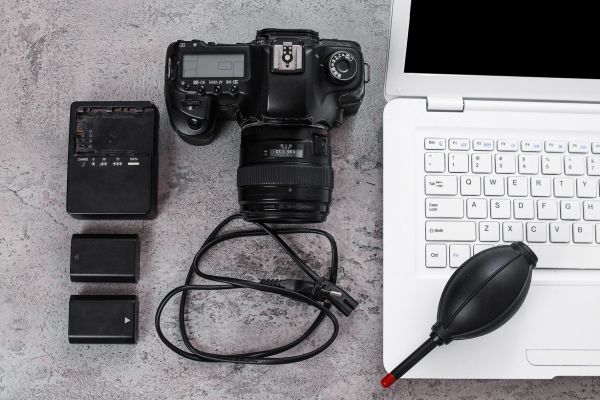
The same goes for batteries. Beginners often underestimate how quickly batteries run down, especially when using live view, video, image review, or mirrorless cameras. One extra battery is usually enough for casual use, but if you plan to travel or shoot events, carrying two spares brings peace of mind.
A Tripod Helps You Slow Down
A tripod is one of the most useful pieces of photography gear for beginners because it changes the way you take pictures. It encourages patience. Instead of lifting the camera and clicking quickly, you begin to study the frame, adjust the angle, and notice small details.
Tripods are especially helpful for landscapes, night photography, self-portraits, product shots, long exposures, and sharp indoor images. You do not need a huge professional tripod at the beginning. Look for one that is sturdy enough to hold your camera safely, light enough to carry, and easy to adjust.
A flimsy tripod can be frustrating, so avoid the cheapest option if it feels unstable. A good beginner tripod should feel steady when extended and should not wobble every time you touch the camera.
A Comfortable Camera Bag Keeps Things Practical
A camera bag is not just about storage. It protects your gear and makes it easier to bring your camera with you. If your setup is uncomfortable to carry, you will probably leave it at home, and that slows your growth more than any missing accessory.
For beginners, a small shoulder bag or compact backpack is usually enough. It should hold your camera, one or two lenses, spare battery, memory cards, cleaning cloth, and maybe a water bottle or notebook. Choose something that suits your routine. If you walk a lot, comfort matters. If you shoot in busy places, easy access matters.
The goal is not to own the biggest camera bag. The goal is to have a simple setup that feels natural to carry.
Cleaning Tools Keep Your Photos Clear
Dust and fingerprints are part of photography life. A basic cleaning kit helps keep your camera and lens in good condition. A microfiber cloth, air blower, and lens brush are usually enough for everyday care.
Avoid wiping your lens with random fabric, tissues, or your shirt, even though almost everyone is tempted to do it at some point. Small particles can scratch the glass or leave smudges. A gentle cleaning routine keeps your images clearer and your gear lasting longer.
Sensor cleaning is a bit more delicate. If you notice dark spots in your images, especially at small apertures, the sensor may need attention. Beginners should be careful with this and consider professional cleaning if unsure.
Lighting Gear Can Stay Simple at First
Natural light is the best teacher for beginners. Window light, shade, golden hour, cloudy skies, and reflected light can all create beautiful results without extra equipment. Before buying flashes or studio lights, spend time watching how light falls on faces, objects, streets, and landscapes.
That said, a simple reflector can be incredibly useful. It can bounce light into shadows, soften contrast, and brighten portraits. Reflectors are lightweight and easy to understand, which makes them beginner-friendly.
An external flash can come later if you enjoy portraits, events, or indoor photography. Built-in camera flashes often create harsh results, while an external flash gives you more control. But lighting takes practice, so there is no rush. Learn natural light first, then add tools when you know what problem you are trying to solve.
Filters Are Useful, But Only a Few Are Necessary
Filters can be helpful, but beginners do not need a drawer full of them. A circular polarizing filter is one of the most useful. It can reduce glare on water, glass, and leaves, while also making skies look richer in certain conditions.
Neutral density filters are useful for long exposures in daylight, such as smoothing water or creating motion blur in clouds. However, they are more specialized, so they may not be necessary right away.
Some photographers use UV filters mainly for lens protection. Opinions vary on that, but if you choose one, make sure it is good quality. A poor filter can reduce image quality, which defeats the purpose of protecting a nice lens.
Editing Tools Complete the Creative Process
Photography does not end when you press the shutter. Editing helps bring out the mood, color, contrast, and detail of your image. Beginners do not need complicated editing workflows, but learning basic adjustments can make a big difference.
Start with exposure, contrast, white balance, highlights, shadows, cropping, and sharpening. These simple controls can improve a photo without making it look unnatural. Editing should support the image, not bury it under heavy effects.
You can begin with free or beginner-friendly editing software before moving to more advanced tools. The important thing is to develop a consistent eye. Ask yourself what the image needs, not how many sliders you can move.
Do Not Buy Everything at Once
One of the biggest mistakes beginners make is buying too much gear too soon. It is easy to think the next accessory will fix your photos, but most improvement comes from practice, observation, and patience.
Start with a camera, a basic lens, a memory card, an extra battery, a comfortable bag, and simple cleaning tools. Add a tripod if you enjoy landscapes, night photos, or careful compositions. Add lighting gear or filters only when your photography style begins to point in that direction.
Gear should solve real problems. If you keep missing shots in low light, consider a faster lens. If your images are blurry during long exposures, get a tripod. If shadows are too harsh in portraits, try a reflector. Let your needs guide your purchases.
Conclusion
Choosing photography gear for beginners is really about building a kit that helps you learn without getting in your way. A simple camera, a reliable lens, spare basics, and a few thoughtful accessories can take you much further than an overloaded bag of equipment you barely understand.
Photography grows through use. The more you shoot, the more you notice what you need and what you can ignore. Start light, stay curious, and let your gear grow with your eye. In the end, the best beginner setup is the one that makes you want to pick up the camera again tomorrow.