
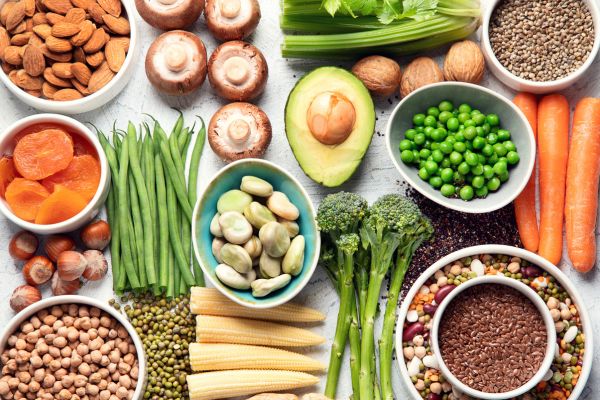
Protein has a way of getting most of the attention whenever people talk about healthy eating. It is the nutrient linked with strength, energy, muscle repair, fullness, and balanced meals. For years, though, many people believed that getting enough protein meant relying heavily on meat, eggs, dairy, or fish. That idea has changed a lot as more people explore plant-forward diets, whether for health, personal values, environmental reasons, or simply because they want more variety on the plate.
Plant-Based Protein Sources are far more diverse than many people first imagine. They are not limited to plain tofu or a bowl of beans, although both can be wonderful when prepared well. From lentils and chickpeas to seeds, nuts, grains, soy foods, and even vegetables, plant-based eating offers plenty of ways to build satisfying meals that feel complete rather than restrictive.
The real key is understanding how different foods contribute protein, texture, flavor, and nutrition. Once you know that, eating plant-based protein becomes less about replacing meat and more about enjoying food in a fresh, thoughtful way.
Why Protein Matters in a Plant-Based Diet
Protein is made up of amino acids, which the body uses for many essential functions. It helps build and repair tissues, supports muscles, contributes to immune function, and plays a role in hormones and enzymes. It also helps meals feel more filling, which is one reason a protein-rich breakfast or lunch often keeps hunger away for longer.
In a plant-based diet, protein planning does not need to be complicated, but it does require a little awareness. Some plant foods are higher in protein than others, and some offer a broader amino acid profile. The good news is that eating a varied diet throughout the day usually covers the body’s needs quite naturally.
Older advice often suggested combining certain plant proteins in the same meal, such as rice and beans, to create a “complete protein.” Today, most nutrition experts focus more on overall daily variety. You do not need to stress over every plate. A mix of legumes, grains, seeds, nuts, and soy-based foods can provide a strong foundation.
Lentils: Simple, Filling, and Easy to Use
Lentils are one of the most practical plant-based protein foods around. They cook faster than many dried beans, absorb flavor beautifully, and fit into both casual and more polished meals. Red lentils soften into soups and curries, while green or brown lentils hold their shape in salads, bowls, and stews.
What makes lentils so useful is their balance. They provide protein, fiber, minerals, and slow-digesting carbohydrates, which makes them satisfying without feeling heavy. A bowl of lentil soup with vegetables and a slice of whole grain bread can feel humble, but nutritionally, it is doing a lot of work.
They are also budget-friendly, which matters. Healthy eating is often presented as expensive or complicated, but lentils prove otherwise. A simple pot of lentils with garlic, onions, tomatoes, herbs, and spices can become several meals with very little effort.
Chickpeas: A Reliable Everyday Protein
Chickpeas are another staple among Plant-Based Protein Sources because they are so adaptable. They can be blended into hummus, roasted until crisp, stirred into curries, tossed through salads, or mashed into sandwich fillings. Their mild, nutty taste makes them easy to pair with different flavors.
One of the best things about chickpeas is their texture. They feel substantial, especially in meals where someone might otherwise miss the bite of meat. A chickpea stew with warm spices, a chickpea salad with lemon and herbs, or a creamy hummus plate with vegetables and pita can all feel generous and comforting.
Canned chickpeas make plant-based eating especially convenient. Rinse them, season them well, and they are ready to use. For anyone new to vegan or vegetarian meals, they are a friendly starting point.
Beans: Classic, Comforting, and Nutrient-Rich
Beans have been part of traditional diets around the world for centuries, and for good reason. Black beans, kidney beans, pinto beans, navy beans, and cannellini beans all offer protein along with fiber and important nutrients. They are hearty, filling, and naturally suited to everyday cooking.
A bean-based meal does not have to feel repetitive. Black beans work beautifully in tacos, burrito bowls, and soups. White beans become creamy in pasta dishes, dips, and vegetable stews. Kidney beans add body to chili, while pinto beans are soft, earthy, and comforting.
Beans also pair well with grains, vegetables, and spices, which makes them easy to build into balanced meals. A plate of rice, beans, sautéed greens, and salsa may look simple, but it brings together protein, fiber, flavor, and satisfaction in a very natural way.
Tofu and Tempeh: Soy-Based Staples with Real Versatility
Soy foods are among the most protein-rich plant options, and they are especially helpful for people following a vegan diet. Tofu and tempeh are both made from soybeans, but they have different textures and cooking styles.
Tofu is soft, mild, and able to take on almost any flavor. Firm tofu can be pan-fried, baked, grilled, crumbled into scrambles, or added to stir-fries. Silken tofu works well in smoothies, sauces, puddings, and creamy dressings. Its quiet flavor is actually its strength, because it becomes whatever the dish needs it to be.
Tempeh has a firmer texture and a deeper, nuttier taste. It is made from fermented soybeans, which gives it a more substantial bite. Some people love it right away, while others prefer it marinated or cooked with bold sauces. It works well in sandwiches, grain bowls, salads, and stir-fried dishes.
For many people moving toward plant-based meals, tofu and tempeh become regular kitchen staples because they are quick, reliable, and rich in protein.
Edamame: Fresh, Bright, and Protein-Packed
Edamame, or young soybeans, offer another easy way to enjoy plant-based protein. They have a fresh, slightly sweet flavor and a pleasing bite. You may see them served in their pods as a snack, but shelled edamame can also be added to salads, rice bowls, noodles, soups, and stir-fries.
They are especially useful when a meal needs a quick protein boost without much cooking. A handful of edamame can make a vegetable bowl more filling or add color and texture to a grain salad. They also feel lighter than many other protein sources, which makes them nice for warm-weather meals or simple lunches.
Nuts and Nut Butters: Small Portions, Big Nutrition
Nuts may not always be thought of as a main protein food, but they can still play a useful role in a plant-based diet. Almonds, peanuts, cashews, pistachios, and walnuts all provide some protein along with healthy fats, minerals, and satisfying richness.
Nut butters are especially convenient. Peanut butter on whole grain toast, almond butter stirred into oatmeal, or cashew butter blended into a sauce can add depth and nutrition to a meal. Because nuts are calorie-dense, they are best used thoughtfully rather than eaten mindlessly by the handful, but they absolutely have a place in balanced vegan eating.
They also make plant-based meals feel more luxurious. A simple noodle bowl becomes richer with peanut sauce. A breakfast bowl feels more complete with chopped almonds. A smoothie gains creaminess from a spoonful of nut butter. Small additions can make a noticeable difference.
Seeds: Tiny Foods with Serious Benefits
Seeds are small, but nutritionally impressive. Hemp seeds, chia seeds, flaxseeds, pumpkin seeds, sesame seeds, and sunflower seeds all bring something valuable to the table. Hemp seeds are particularly known for their protein content and soft, nutty flavor. Pumpkin seeds also offer a satisfying crunch and work well in both sweet and savory dishes.
Chia and flaxseeds are often used for their fiber and healthy fats, but they can still contribute to overall protein intake. Ground flaxseed can be stirred into oatmeal or smoothies, while chia seeds can be used in puddings or added to breakfast bowls.
Seeds are easy to overlook because they are rarely the main feature of a meal. Still, they are one of the simplest ways to make food more nourishing. Sprinkle them over soups, salads, toast, yogurt alternatives, or roasted vegetables, and the meal becomes a little more complete.
Whole Grains That Add More Than Carbohydrates
Grains are often placed in the carbohydrate category, but many whole grains also contain protein. Quinoa, oats, brown rice, barley, farro, bulgur, and whole wheat products can all support a plant-based diet.
Quinoa gets special attention because it contains all nine essential amino acids, but it is not the only grain worth eating. Oats are excellent at breakfast, especially when paired with seeds, nuts, or soy milk. Brown rice and beans make a classic combination. Farro and barley add chewiness to soups and salads.
The important thing is to choose whole grains when possible. They bring more fiber, texture, and nutrients than heavily refined grains, and they help meals feel grounded and satisfying.
Vegetables Can Contribute Too
Vegetables are not usually the highest protein foods, but they should not be ignored. Peas, spinach, broccoli, Brussels sprouts, asparagus, and potatoes all contain some protein. On their own, they may not meet protein needs, but as part of a varied plate, they help.
Green peas are especially useful because they have a naturally sweet flavor and more protein than many other vegetables. They can be added to pasta, soups, rice dishes, and mashed spreads. Broccoli and spinach may contribute smaller amounts, but they bring vitamins, minerals, and freshness that balance richer foods like beans, tofu, nuts, and grains.
A healthy vegan plate is not only about chasing protein numbers. It is about building meals that nourish the body in several ways at once.
Making Plant-Based Protein Meals Feel Complete
One common mistake is treating plant-based meals as a plate of side dishes. A bowl of plain vegetables may be healthy, but it may not feel filling for long. To make plant-based eating satisfying, each meal should have a strong base, a protein source, flavor, texture, and some healthy fat.
For example, a grain bowl with quinoa, roasted chickpeas, greens, avocado, pumpkin seeds, and a lemon-tahini dressing feels complete because it has contrast. A tofu stir-fry with brown rice, vegetables, and a savory sauce feels balanced. A lentil curry with rice and a fresh cucumber salad feels warm, comforting, and nourishing.
Flavor matters too. Garlic, ginger, citrus, herbs, spices, vinegars, tahini, miso, and sauces can completely change the experience of plant-based protein. The difference between bland beans and memorable beans is usually seasoning, not the beans themselves.
Conclusion: A More Flexible Way to Eat Well
Plant-Based Protein Sources are not a narrow category or a second-best option. They are varied, practical, and deeply satisfying when used with a little creativity. Lentils, beans, chickpeas, tofu, tempeh, edamame, nuts, seeds, grains, and vegetables all bring their own strengths to the table.
A healthy vegan diet does not have to feel strict or complicated. It can be warm lentil soup on a quiet evening, peanut noodles after a long day, crispy tofu in a rice bowl, hummus with fresh vegetables, or a simple bean chili shared with family. The beauty of plant-based protein is that it fits into real life.
When meals are built with variety, flavor, and balance, plant-based eating becomes less about what is missing and more about what is possible. That shift makes all the difference.