
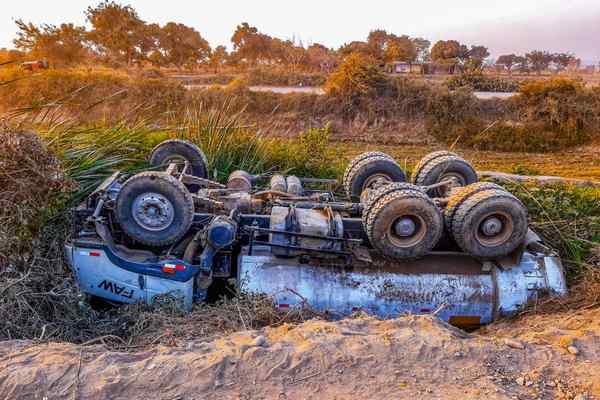
A fatal collision involving a tractor-trailer can leave a family facing grief, financial pressure, and a difficult question: who is legally responsible? A truck accident wrongful death claim often reaches beyond the person behind the wheel. Commercial trucking involves drivers, motor carriers, maintenance providers, shippers, cargo-loading companies, equipment manufacturers, and contractors. When more than one party contributed to the crash, several defendants may share responsibility.
That multi-party structure makes a wrongful death truck crash different from many car accident cases. Liability depends on how the collision happened, what each person or company was required to do, and the law of the state governing the claim. Federal trucking regulations can provide important evidence about safety duties, although a violation does not automatically decide civil liability.
The Truck Driver May Be Personally Liable
A commercial driver may be liable when negligent driving causes a fatal crash. Examples include speeding, unsafe lane changes, following too closely, distracted driving, impairment, or driving while too fatigued to operate safely. Evidence may come from police reports, witnesses, dash cameras, electronic logging devices, phone records, and truck data.
Hours-of-service records can be especially important in a big rig fatal accident involving suspected fatigue. Federal rules generally limit a property-carrying commercial driver to 11 hours of driving after 10 consecutive hours off duty and restrict driving beyond the 14th consecutive hour after coming on duty, subject to exceptions. A log violation may help explain fatigue, but investigators still need to connect it to the crash.
When the Trucking Company Can Be Liable
Trucking company liability can arise in more than one way. Depending on state law and the facts, a motor carrier may be responsible for a driver’s negligence while the driver is acting within the scope of employment. The company may also face claims based on its own conduct, such as unsafe hiring, poor supervision, inadequate training, unrealistic scheduling pressure, or failure to address known safety problems.
Maintenance is another major issue. Federal regulations require motor carriers to systematically inspect, repair, and maintain vehicles under their control so safety-related parts remain in proper operating condition. If worn brakes, bad tires, steering problems, or another known defect contributed to the collision, maintenance records can become central evidence.
Consider a truck that crosses a median after a front tire fails. The driver may not have done anything wrong at the moment of the blowout. The investigation might instead show that the carrier repeatedly delayed replacing a damaged tire, or that a repair shop performed defective work. In that situation, the strongest claim may focus on maintenance decisions rather than driver error.
Cargo Loaders and Shippers May Share Responsibility
Improper cargo can make a truck unstable or cause a trailer to roll over. Federal cargo-securement rules generally require cargo to be distributed and secured so it does not shift, fall, leak, or impair vehicle stability. Drivers also have inspection duties in many circumstances, although sealed or impractical-to-inspect loads can be treated differently.
If a warehouse or loading contractor loaded the trailer improperly, that company may become a potential defendant. A shipper may also face liability in some circumstances when its own conduct created the dangerous condition. Identifying who loaded, sealed, inspected, and controlled the cargo can therefore be critical.
Maintenance Contractors and Parts Manufacturers
Trucking companies often rely on outside businesses for inspections, brake work, tires, and repairs. If negligent repair work causes a mechanical failure, the maintenance provider may be responsible for the harm it created. Work orders, invoices, inspection reports, replaced parts, and technician records can help show what was done and when.
A manufacturer may also be involved when a defective truck component, tire, braking system, steering part, or coupling device contributed to the death. Product-liability rules vary by state, and technical analysis may be needed to separate a defect from poor maintenance, misuse, or ordinary wear.
Other Parties Can Enter the Case
Not every truck operates under a simple employer-driver relationship. The tractor may be owned by one company, leased to another, dispatched by a separate entity, and hauling freight arranged by a broker. Responsibility cannot be determined from the logo on the trailer alone.
Depending on the facts and applicable law, other potential defendants may include a vehicle owner, trailer owner, leasing company, freight broker, another motorist, roadway contractor, or government entity. Claims involving brokers or public entities can raise special federal or state-law issues, so they require careful analysis rather than assumptions about automatic liability.
Evidence That Can Identify the Responsible Parties
Important evidence can disappear quickly. An investigation may seek driver logs, dispatch messages, GPS data, onboard video, repair records, driver qualification materials, cargo documents, phone records, and electronic control module data. Vehicle photographs, roadway marks, debris, and damaged components can also help reconstruct the collision.
Families should preserve records showing the financial effect of the death, including funeral costs, income information, benefits, household services, and other losses recognized under state law. Related topics include wrongful death damages, truck accident evidence, and commercial vehicle safety rules.
Who Can File and What Damages May Be Available?
Wrongful death rights are created largely by state law. States differ on who may bring the case, who receives the recovery, which losses are compensable, and how long a claimant has to file. In some jurisdictions the estate’s personal representative brings the action; in others certain family members may have direct rights. A separate survival claim may also allow the estate to pursue losses the deceased person experienced before death.
Recoverable damages may include financial support, funeral or burial costs, loss of services, and certain relationship-based losses, depending on the state. Filing deadlines vary, and special notice rules can apply when a government entity is involved.
Frequently Asked Questions
Can both the truck driver and trucking company be sued?
Yes, potentially. A driver may be liable for negligent operation, while the carrier may face responsibility for the driver’s conduct and, depending on state law, for its own negligent hiring, supervision, scheduling, or maintenance practices.
Can a cargo-loading company be liable for a fatal truck crash?
It can be if improper loading or securement contributed to the collision. Liability depends on who controlled the loading process, what duties each party had, and whether the cargo problem caused or worsened the crash.
Does a federal trucking violation automatically prove wrongful death liability?
No. A violation can be important evidence, but its legal effect depends on the regulation, the facts, and state law. The claimant still generally must prove the required elements of the civil claim, including causation.
How long do families have to file a truck accident wrongful death claim?
The deadline depends on state law and the circumstances. Some claims involve shorter notice requirements or special rules. Because missing a deadline can bar a claim, the governing law should be identified early.
Final Takeaway
A fatal truck crash should be investigated as a chain of decisions, not just a moment behind the wheel. The driver may be responsible, but trucking company liability, maintenance failures, defective equipment, unsafe cargo, or other contractors may be equally important. Identifying every party that controlled the driver, vehicle, load, or safety process can reveal how the crash happened and who may be legally accountable.