
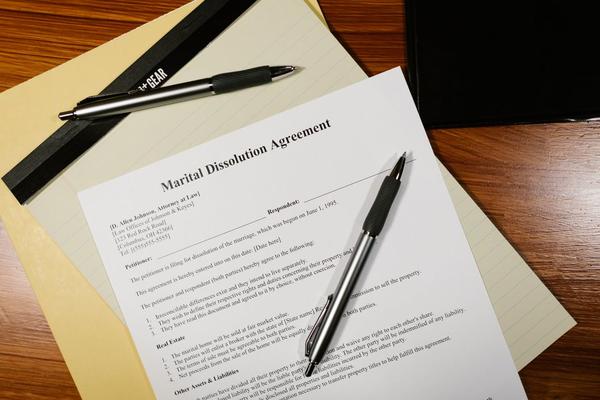
Learning how to file for divorce starts with one crucial fact: there is no single divorce application for the entire United States. State law controls where you file, which forms you need, how you notify your spouse, and when a judge can end the marriage. You can often handle a straightforward case yourself, but the safest first move is to follow instructions published by the court in your state.
Filing begins a legal process; it does not immediately end your marriage. Preparing carefully can prevent returned paperwork and costly delays.
Step 1: Confirm where you can file
Before downloading divorce forms, check your state’s residency requirements. Many states require at least one spouse to have lived there for a specified period. County rules determine the correct courthouse. California generally requires six months of state residency and three months in the filing county for a standard divorce. New York has several residency tests, depending on the spouses’ circumstances.
Start with the official state judiciary website, then locate your county’s family court. Check whether the court accepts your type of case and offers self-help services. If you and your spouse live in different states, or your children recently moved, jurisdiction can be more complicated.
Step 2: Decide which divorce procedure fits
An uncontested divorce generally means both spouses agree on the terms, including property, debts, and any parenting or support arrangements. A contested divorce involves issues the court may need to decide. Some states also offer simplified or joint-filing procedures for eligible couples.
You may be able to file even if your spouse disagrees with ending the marriage. Every state provides a form of no-fault divorce, although grounds and procedures vary. Compare your court’s instructions for uncontested versus contested divorce before selecting a packet.
Step 3: Gather important records
Divorce paperwork commonly asks for personal information, marriage details, addresses, and the orders you want. Gather records before completing forms so you do not have to guess about dates or account balances.
Useful documents include your marriage certificate, existing court orders, recent income records, tax returns, bank and retirement statements, mortgage information, and debt balances. If children are involved, collect information about where they have lived, schooling, health coverage, and care arrangements.
For example, suppose you and your spouse agree that one person will keep the family car. Check whose names appear on the title and loan before drafting that agreement. A divorce judgment awarding the vehicle does not automatically remove someone from the lender’s contract.
Step 4: Complete your court’s divorce forms
Most courts require an opening petition or complaint, a summons or notice, and sometimes confidential information forms. Additional documents may be needed for children, support, or finances. Download the current packet directly from your court instead of using a generic template.
Fill in names and dates consistently, follow signing or notarization instructions, and complete all required sections. State what you want the judge to decide. In California, a standard case begins with a Petition and Summons; other states use different names.
Keep secure copies. A court self-help center or legal-aid service may explain procedure, although court employees generally cannot advise you about which outcome to pursue.
Step 5: File the papers and budget for fees
Submit your completed papers to the appropriate clerk. Depending on the court, you may file in person, by mail, or electronically. The clerk generally assigns a case number and returns stamped or accepted copies. Save them for service and later filings.
Divorce filing fees vary by court and procedure. For example, California lists approximately $435–$450 to start a standard divorce; New York lists at least $335 in court fees for an uncontested divorce. These are examples, not nationwide rates. Check your court’s current fee schedule. Service, copies, and motions may cost extra.
If court fees would cause financial hardship, ask for a fee-waiver application. Requirements and covered charges vary by jurisdiction.
Step 6: Serve your spouse correctly
Filing usually does not complete the notice requirement. In a typical petition-based case, your spouse must receive the filed divorce papers through a legally authorized service method. A text message or informal handoff may not qualify.
California, for example, generally requires an adult who is not a party to serve the opening papers. The server completes proof of service, which must then be filed. Other states have different methods, and certain joint-filing processes do not require ordinary service.
If you cannot locate your spouse, ask the court about approval for alternative service. Skipping this step can hold up the entire case.
Step 7: Follow deadlines until judgment
After service, record the response deadline. Your spouse may answer, dispute requests, or agree to proposed terms. If no response arrives, you might be able to request a default judgment, but the court still needs to review the required paperwork.
Expect further steps involving financial disclosures, settlement documents, temporary orders, or hearings. Even an agreement may require judicial approval. Understand your state’s rules on dividing marital property and debts before signing anything.
Waiting periods also vary. California generally cannot finalize a divorce until at least six months have passed under its rules. That deadline does not automatically dissolve the marriage. The divorce becomes effective only after the court enters the required final judgment or decree.
Should you file without an attorney?
Self-filing may work when finances are straightforward, communication is safe, and the instructions are clear. Legal advice is especially valuable when there is abuse, hidden assets, a business, substantial retirement savings, an international issue, or a dispute about children. Some attorneys offer limited-scope assistance with specific documents or decisions.
Frequently asked questions
Can I file for divorce without a lawyer?
Yes. Courts generally allow self-representation. You must still follow the same filing, service, disclosure, and deadline rules that apply to represented parties.
Do both spouses have to sign the initial papers?
Not necessarily. One spouse can usually begin a petition-based divorce without the other’s signature, as long as required notice is provided. Joint petitions have different rules.
How long does a divorce take?
Timing depends on waiting periods, court workload, proper service, and unresolved disputes. A simple agreement may be quicker, but no particular completion date is guaranteed.
What if I cannot afford divorce filing fees?
Ask whether your court offers a fee waiver or deferral. You may have to disclose income, benefits, expenses, and financial hardship.
Moving forward
The dependable way to file for divorce is to verify eligibility, use current local court forms, keep copies, and take service and deadlines seriously. Follow your court’s checklist, seek help for complicated decisions, and remember that the marriage is not legally over until the final judgment takes effect.