A national park trip does not require a luxury lodge, a packed itinerary, or expensive equipment. Often, the best part costs nothing once you arrive: sunrise over a ridge, a forest walk, or lunch beside a river. The secret to budget-friendly national parks trips is spending deliberately on transport, access, and sleep so the landscape—not the receipts—becomes the main event.
Choose a Park That Fits Your Budget
Famous parks can be wonderful, but airfare, rental cars, and peak-season hotels may cost more than admission. Start with parks within driving distance, then compare entrance fees, campgrounds, and nearby grocery stores. Spending three days exploring one park usually costs less than rushing between several.
Look beyond the best-known names. North Cascades National Park Service Complex has no entrance fee, while New River Gorge National Park and Preserve offers free primitive camping in designated areas. Availability and amenities vary, but these choices can make a substantial difference. Exploring affordable US road trips may reveal a closer alternative to a cross-country journey.
Calculate the Entire Trip, Not Just Admission
Estimate fuel or flights, lodging, food, entrance fees, reservations, equipment, and a contingency fund. A free-entry destination is not necessarily cheaper if getting there requires a long drive. Compare realistic totals per person before deciding.
Understand Entrance Fees and Pass Savings
Many National Park Service sites are free, while others charge by vehicle or person. Check the park’s official Fees and Passes page. A standard admission pass is often valid for several days, making a longer visit to one park better value than repeatedly paying at different entrances.
In 2026, the America the Beautiful annual pass costs $80 for U.S. citizens and residents and $250 for nonresidents. It covers qualifying entrance and standard day-use fees at participating federal sites, but generally not camping, tours, or separate reservations. Calculate national park pass savings from trips you actually plan, rather than automatically buying a pass for one weekend.
Nonresidents without a qualifying annual pass also face an extra $100-per-person fee at 11 designated parks in 2026. U.S. residents can investigate scheduled entrance-fee-free days, though reservations may still cost extra; those free days do not apply to nonresidents in 2026. Senior, military, disability, and fourth-grade passes may help eligible visitors save further.
Pick Dates That Offer Value Without Surprises
Weekdays outside peak summer can bring less competition for campsites and cheaper accommodation outside park gates. But inexpensive dates are not always practical. Snow may close scenic roads, desert heat can make hiking dangerous, and seasonal shuttles may stop running. Check official conditions, forecasts, and opening dates before making nonrefundable bookings.
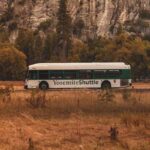
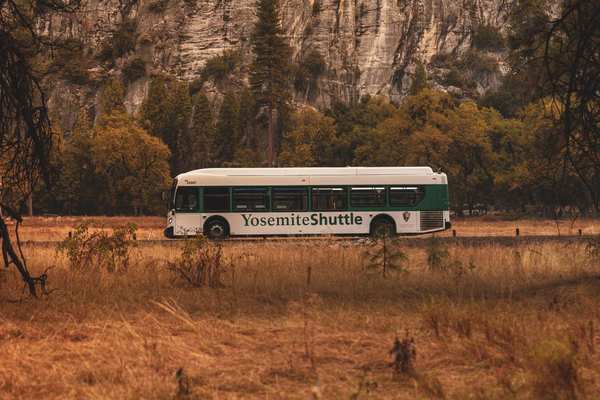
Choose two or three nearby trails or viewpoints each day instead of zigzagging across the park. Where a shuttle operates, it may reduce parking headaches and driving. A picnic beside a scenic overlook can be more rewarding than an expensive excursion.
Save on Overnight Stays
Camping is often the biggest opportunity for budget outdoor travel, especially if you already own a tent. Compare established public campgrounds by price, drinking water, toilets, vehicle limits, and reservation requirements. Many popular sites need advance booking, and Recreation.gov may charge a separate reservation service fee.
For example, two nights at a $24-per-night campsite total $48 before booking fees. Shared by two people, that is $24 each for lodging. The calculation changes if you need to rent equipment, and camping is only sensible when weather and personal needs permit.
Free camping does not mean parking anywhere overnight. Some parks forbid roadside camping, while backcountry trips may need permits. Nearby national forests sometimes allow dispersed camping, but location-specific rules, fire restrictions, and sanitation requirements apply. Check with the managing agency rather than relying on a random map pin.
Bring Groceries and Borrow Gear
Restaurant meals and convenience-store snacks can quietly transform cheap national park trips into expensive ones. Shop before reaching gateway towns, pack trail lunches, and choose simple dinners. Oats, tortillas, fruit, and sandwiches are practical staples. Keep perishables at safe temperatures and follow wildlife-related food-storage rules.
Carry refillable bottles and verify where potable water is available. Some trails have no reliable water sources, so bring enough for the distance, heat, and group. Download maps before setting off because cell service is often limited.
Borrow or rent tents, sleeping pads, and sleeping bags before buying premium versions. Prioritize comfortable footwear, appropriate layers, navigation, lighting, and first aid. A camping packing checklist can help prevent forgotten essentials and unnecessary purchases.
A Practical Two-Night Budget
Imagine two travelers driving to North Cascades with camping equipment they already own. They budget $60 for fuel, $48 for two nights at a campground charging $24 nightly, $50 for groceries, and an illustrative $8 online booking fee. That totals $166, or $83 each, before incidental costs. The park has no entrance fee, though individual campground prices and reservation charges need checking for actual dates.
This is an example, not a guaranteed price. Extra mileage, gear rental, and changes in weather could raise the total. Keep money aside for an unexpected night indoors. A budget that leaves no room for safe alternatives is not truly economical.
Choose Free Experiences Over a Packed Schedule
Most memorable outdoor moments do not need tickets. Walk a nature trail, attend a ranger program where available, photograph morning light, or watch wildlife from a safe distance. Slow afternoons can be just as satisfying as completing another paid activity.
Stay on marked trails, respect closures, store food properly, and pack out trash. These habits protect both the destination and your trip. They also help you avoid costly or dangerous mistakes.
Frequently Asked Questions
What is the cheapest way to visit a national park?
Drive to a nearby park, visit on a weekday, bring groceries, and use a legal low-cost campground or take a day trip. Check whether admission is free before purchasing a pass.
Is the annual national parks pass worth buying?
Only if its current price is lower than the entrance fees you expect to pay over the year. Account for residency rules and remember that campground and reservation fees are usually separate.
Can you camp for free inside a national park?
Some parks have designated free camping. New River Gorge, for example, lists primitive no-fee sites, but facilities are limited and spots are first-come, first-served. Check each park’s regulations.
How early should I plan a budget trip?
Plan months ahead for popular summer campgrounds. Less-crowded weekday trips may allow more flexibility, provided you verify road access, weather, and reservation requirements.
Leave Space for the Outdoors
The smartest budget-friendly national parks trips combine reasonable travel distances, legal inexpensive lodging, packed meals, and unhurried time outside. Spend where safety and comfort matter, skip extras that add little, and let the trails set the pace. An affordable weekend can still feel like a genuine escape.