
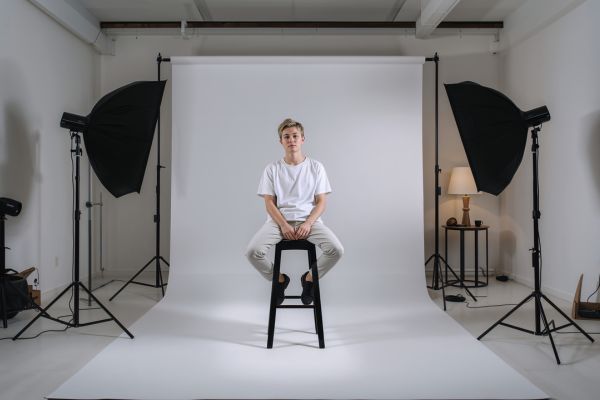
Portrait photography lighting is one of those topics that sounds technical on the surface but is deeply emotional in practice. Light shapes how a face feels. It can make a portrait gentle or dramatic, timeless or modern, intimate or distant. Long before viewers notice sharpness or color grading, they react to the light. It tells them how to feel about the person in the frame.
Whether you’re shooting in a studio, by a window, or outdoors with nothing but the sun, understanding how light behaves around a human face is what separates a snapshot from a portrait. The good news is that portrait lighting isn’t about expensive gear or rigid rules. It’s about awareness, observation, and making intentional choices.
Understanding Light as a Creative Tool
Light isn’t just illumination; it’s texture, mood, and direction. In portrait photography, light defines bone structure, emphasizes expression, and controls how much of the subject feels revealed or hidden. Soft light tends to smooth skin and soften features, while hard light exaggerates texture and contrast.
Direction matters just as much as quality. Light coming from the front feels honest and open but can flatten facial features. Light from the side introduces depth and dimension. Light from above or below subtly changes how a face is perceived, sometimes in ways we don’t consciously notice but instinctively feel.
Once you start thinking of light as something you shape rather than something you simply use, portrait photography lighting becomes far more intuitive.
Why Natural Light Is Often the Best Teacher
Natural light is where many photographers first develop their instincts, and for good reason. Window light, in particular, is forgiving and endlessly variable. A sheer curtain can turn harsh sunlight into a soft wraparound glow, while an uncovered window creates contrast that sculpts the face.
Time of day plays a huge role. Morning and late afternoon light tends to be softer and warmer, while midday sun is intense and unflattering unless diffused or creatively used. Even cloudy days have their own character, offering broad, even light that feels calm and understated.
Working with natural light forces you to observe subtle changes. A subject turning their head slightly can completely transform the mood of the portrait. That sensitivity carries over into every other lighting situation you’ll encounter.
How Light Direction Shapes Facial Features
One of the most powerful aspects of portrait photography lighting is how direction alters perception. Side lighting emphasizes cheekbones and jawlines, adding drama and structure. This approach works beautifully for expressive, character-driven portraits.
Front lighting reduces shadows and creates a clean, even look, often used for editorial or beauty portraits. While it’s flattering, it can feel static if not handled carefully. Introducing a slight angle or changing the height of the light can prevent the image from feeling flat.
Backlighting, when used intentionally, adds atmosphere. Light spilling around the edges of the subject can create a sense of depth and separation, especially when combined with softer light on the face. It’s subtle, but it can elevate a portrait from ordinary to memorable.
The Emotional Impact of Soft and Hard Light
Soft light tends to feel approachable. It wraps around the subject, smoothing transitions between highlights and shadows. This type of lighting is often associated with intimacy, vulnerability, and warmth. It’s commonly used in lifestyle portraits, family photography, and personal projects.
Hard light, on the other hand, doesn’t hide much. It creates bold shadows and sharp lines, emphasizing texture and detail. When used thoughtfully, it can convey strength, confidence, or tension. Hard light works especially well in conceptual portraits or when the subject’s character is meant to stand front and center.
Neither approach is better. The key is choosing lighting that aligns with the story you’re telling.
Studio Lighting Without the Intimidation
Studio lighting often feels overwhelming at first, but at its core, it’s simply controlled light. The advantage of a studio environment is consistency. Once you understand how one light behaves, you can predict the results.
A single light source is often more than enough. Placing it at a slight angle to the subject creates depth while maintaining control. Adjusting distance changes softness, and modifying height alters how shadows fall across the face.
Adding reflectors instead of additional lights can subtly lift shadows without complicating the setup. This keeps the focus on expression and connection rather than technical complexity.
Studio portrait photography lighting becomes far less intimidating when you think in terms of problem-solving rather than setups. What do you want to emphasize, and what do you want to soften? The light simply follows that intention.
Using Shadows as Part of the Composition
Shadows are not mistakes. In portrait photography, they are essential design elements. Where light exists, shadow follows, and the balance between the two defines mood.
Allowing parts of the face to fall into shadow can create mystery or draw attention to specific features. A shadow across one eye can feel cinematic. A shadow along the jawline adds strength and shape.
Rather than trying to eliminate shadows, learn to place them. When shadows feel intentional, they add sophistication and depth to the image.
Adapting Lighting to Different Skin Tones
Portrait photography lighting should always respect and enhance the subject’s natural features, including skin tone. Lighter skin reflects light more readily, while darker skin absorbs it differently. This doesn’t mean one is harder to photograph, but it does require awareness.
Soft, directional light often works beautifully across a wide range of skin tones, preserving detail without washing out highlights or losing shadow information. Paying attention to exposure and contrast ensures that skin looks rich and natural rather than flat or overly bright.
The goal is not to “fix” skin with light but to honor its texture and tone.
How Environment Influences Light
Light never exists in isolation. Walls, ceilings, clothing, and surrounding surfaces all influence how light behaves. A white wall reflects light softly, while dark surfaces absorb it. Shooting in a small room feels different from shooting in an open space, even with the same light source.
Outdoor portraits are shaped by their environment as much as by the sun. Trees create dappled patterns, buildings reflect light unevenly, and open shade can act like a giant softbox. Learning to read these conditions quickly is an invaluable skill.
The more aware you become of environmental light, the less you rely on equipment to “fix” a scene.
Developing Your Own Lighting Style
Every photographer eventually develops preferences. Some gravitate toward soft, airy light. Others embrace contrast and shadow. These tendencies become part of a visual signature over time.
Studying portrait photography lighting from different genres helps refine that style. Editorial portraits often favor clean, intentional lighting. Documentary portraits lean toward available light. Fine art portraits may push light into expressive, unconventional territory.
There’s no rush to define your style. It emerges naturally through experimentation, mistakes, and repeated observation.
A Thoughtful Conclusion on Light and Portraits
Portrait photography lighting is ultimately about connection. Light guides the viewer’s eye, but it also shapes emotion. It influences how we perceive a person before we consciously analyze the image.
Mastering light doesn’t happen overnight, and it doesn’t come from memorizing setups. It comes from paying attention. Watching how light changes throughout the day. Noticing how a slight shift alters mood. Letting curiosity lead the process.
When lighting choices are intentional and responsive, portraits feel honest. They feel lived-in, expressive, and human. And that, more than perfection, is what makes a portrait unforgettable.