Yosemite changes dramatically with the seasons. In May, waterfalls can thunder over granite cliffs and send mist across nearby trails. By late summer, some of those same falls become narrow ribbons or disappear entirely. Yet the mountains, forests, and dramatic viewpoints remain remarkable.
For a first visit, plan around what you want to see, not simply the warmest weather. This Yosemite National Park travel guide explains waterfall timing, major attractions, seasonal access, and ways to avoid spending your holiday in traffic.
When Is the Best Time to Visit Yosemite?
Spring: The Waterfall Season
April brings greenery and increasing snowmelt, while May is usually the best month for powerful Yosemite waterfalls. According to the National Park Service, peak runoff typically occurs in May or June, depending on snowpack and weather. Expect chilly mornings and occasional storms, especially at higher elevations.
The trade-off is access: Tioga Road and Glacier Point Road may remain closed until late May or June. Plan a spring visit around Yosemite Valley instead of assuming all scenic drives will be open.
Summer: High-Country Exploration
June can offer strong waterfall flow and improving mountain access. July and August are popular for hiking around Tuolumne Meadows once Tioga Road opens, but Yosemite Falls may be almost dry by August. Heat, crowds, and busy car parks make early starts valuable.
Autumn and Winter: Quieter Experiences
September and October bring cooler conditions but generally low waterfall flow. Winter can dust the Valley with snow and create striking icy scenery. However, storms, tire-chain requirements, and seasonal road closures make flexibility essential. Yosemite Valley and Wawona generally remain accessible throughout the year, weather permitting.
Yosemite Waterfalls: Which Ones Will Be Flowing?
Waterfall schedules are estimates, not guarantees. A snowy winter may prolong the flow; a dry one may shorten it. Before visiting Yosemite, check current conditions and the National Park Service’s Yosemite Falls webcam rather than relying on photographs from previous years.
Yosemite Falls
Yosemite Falls drops a combined 2,425 feet and is especially impressive in late spring. It normally flows from approximately November through July, with a typical peak in May. The easy Lower Yosemite Fall loop provides a close view, while hiking toward the upper fall is strenuous. By August, the falls can be dry.
Bridalveil Fall
Bridalveil Fall flows throughout the year, although its volume changes. During spring runoff, spray can soak visitors approaching the base. Later, a slender stream often sways in the wind. A short paved approach makes this one of the most accessible Yosemite attractions, subject to current trail conditions.
Vernal and Nevada Falls
Both waterfalls generally flow year-round and reach peak volume around late May or June. The famous Mist Trail offers dramatic scenery but can be wet, steep, and slippery. For a less demanding outing, walk toward the Vernal Fall footbridge instead of continuing up the granite steps. Check for seasonal closures before setting off.
Horsetail Fall
Horsetail Fall can glow orange at sunset in mid- to late February, creating the celebrated firefall effect near El Capitan. It only happens when water, light, and weather align. The effect is never guaranteed, and special viewing restrictions may apply.
Yosemite Attractions Beyond the Waterfalls
Tunnel View and El Capitan
Tunnel View frames El Capitan, Half Dome, Bridalveil Fall, and the Valley in one unforgettable panorama. El Capitan Meadow offers a closer view of the towering rock face; look carefully and you might spot climbers far above the Valley floor.
Glacier Point
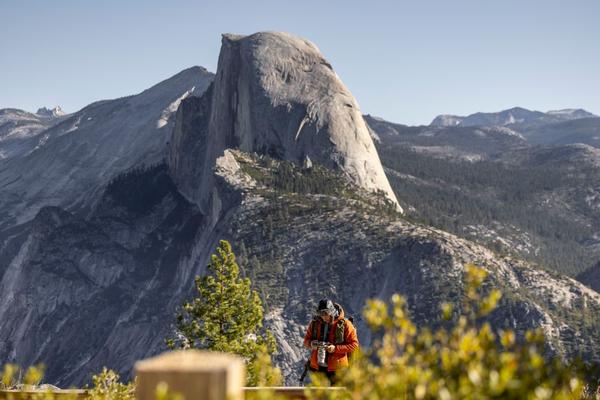
When Glacier Point Road opens, this viewpoint rewards visitors with sweeping views of Half Dome and the surrounding high country. Driving there takes time, and parking can fill quickly. Check road status before adding it to an already busy day.
Mariposa Grove and Tuolumne Meadows
Mariposa Grove is home to giant sequoias near the southern entrance, with most visitors using a seasonal shuttle. Tuolumne Meadows, reached via Tioga Road when open, offers alpine meadows and granite domes. Both reveal a different side of Yosemite, but neither is a quick detour from the central Valley.
A Practical One-Day Yosemite Valley Guide
Imagine arriving on a weekday in mid-May. If your route brings you through the Wawona Tunnel, pause at Tunnel View, then park in an authorized Valley lot before mid-morning. Start with the Lower Yosemite Fall loop, when temperatures are comfortable and snowmelt may be roaring.
Next, walk around Cook’s Meadow for wide views of the falls and granite cliffs. Take a relaxed lunch break, then explore Yosemite Village, El Capitan Meadow, or Bridalveil Fall. If you’re eager for a longer walk, substitute the route toward the Vernal Fall footbridge, provided trails are open.
Resist the temptation to include Glacier Point, Mariposa Grove, and Tuolumne Meadows in the same day. These destinations are spread across a vast park. Choosing fewer stops means more time outdoors and less time driving.
Essential Tips for First-Time Visitors
Reservations, Fees, and Getting Around
For 2026, no advance reservation is required simply to enter Yosemite, although entrance fees still apply. The standard private-vehicle entrance fee is $35. Non-US residents aged 16 and older may pay an additional $100 per person unless covered by a qualifying pass. Confirm current rules before traveling because policies can change.
Book lodging or campsites early, particularly for spring weekends and summer. Once inside Yosemite Valley, park legally and explore on foot or use the free shuttle. Driving between nearby viewpoints often creates more delay than convenience. Overnight sleeping in vehicles is permitted only in designated campsites.
Weather and Water Safety
Carry drinking water, sun protection, layers, sturdy shoes, and an offline map. Cell reception can be unreliable. Spring waterfall spray calls for a waterproof jacket, while cold-weather visits may require tire chains, even for four-wheel-drive vehicles.
Never climb barriers or step onto wet rocks beside waterfalls. River currents can be extremely strong during snowmelt. For longer journeys, a California national parks road trip itinerary and a national park hiking essentials checklist are useful next steps when organizing routes and equipment.
Frequently Asked Questions
How many days should you spend in Yosemite?
Two or three days suit most first-time visitors. That allows time for Yosemite Valley, a few walks, and another region when roads are open. With only one day, prioritize the Valley.
What month is best for Yosemite waterfalls?
May is usually the strongest choice, though peak runoff can extend into June. Snowpack and spring weather determine actual flow, so check live conditions close to your visit.
Can you enjoy Yosemite without difficult hikes?
Absolutely. Tunnel View, meadow viewpoints, the Lower Yosemite Fall area, and shuttle-accessible stops provide impressive scenery without demanding hikes. Check individual trail accessibility beforehand.
Is Yosemite open during winter?
Yes, parts of the park remain open, particularly Yosemite Valley and Wawona. Higher roads often close because of snow, and winter storms can affect even normally accessible routes.
Plan Around the Yosemite You Want to See
The ideal Yosemite trip depends on your priorities. Choose late spring for roaring waterfalls, summer for high-country scenery, or quieter months for a different atmosphere. Check official park conditions shortly before departure, allow more time than driving maps suggest, and leave space for the unexpected. Yosemite rewards travelers who slow down and look around.